
Ma Rainey and Irvin’s Uneasy Partnership
Ma Rainey's Black BottomThis thread traces how Ma Rainey’s reliance on Irvin as her manager is repeatedly tested by his ties to the recording company and her insistence on being treated as more than a voice to be captured.
increasing Bearing strength in each event
 decreasing
Bearing strength in each eventdecreasingManagerial Reassurance

A Partnership Under Pressure
The manager’s promise
Irvin begins the day assuring Sturdyvant that he can keep Ma Rainey on schedule and manage her demands. His confidence is partly professional routine: he presents himself as the person who can smooth conflict between the singer and the company.
When Ma arrives amid a dispute with a policeman, Irvin steps in to explain who she is and quietly pays to settle the matter. His practical help protects her from being taken to the station, but it also shows that his role is to negotiate within a system that does not readily honor her standing.
Care mixed with control
Irvin repeatedly tells Ma to relax and promises to take care of things. The language sounds solicitous, yet it places him between her and decisions she considers her own, from the car to the recording schedule.
Their partnership is therefore useful but unequal. Ma depends on his access and intervention, while Irvin depends on her recording successfully; neither dependence guarantees that he will put her wishes first.
A Contested Arrangement
Who Speaks for the Song
Irvin’s attempted compromise
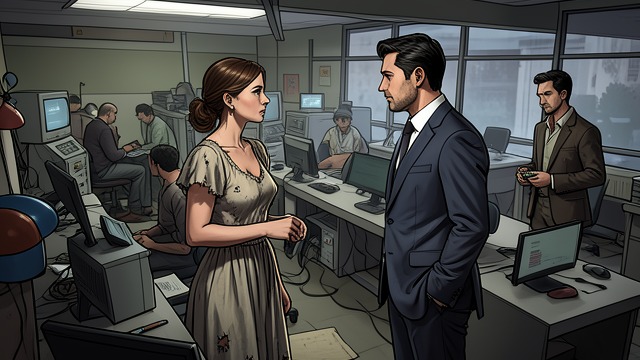
Irvin explains that the company favors Levee’s arrangement of “Ma Rainey’s Black Bottom,” presenting it as a response to changing audience tastes. He speaks as if he and Sturdyvant have already settled the question, expecting Ma to accept their judgment.
Ma rejects that presumption. She says the song is hers to perform her way and reminds Irvin that she brought Sylvester Brown to deliver the spoken introduction. The disagreement is not merely musical: it tests whether Irvin regards their working relationship as a partnership or as a means of managing her compliance.
A boundary made explicit
Ma challenges Irvin’s use of “we,” refusing to let his agreement with Sturdyvant stand in for her consent. She threatens to leave Chicago and return to touring rather than surrender control of the performance.
Irvin ultimately gives way and carries Sylvester Brown to the band. His retreat preserves the session, but it does not erase the strain: Ma has had to make her authority unmistakable before her manager will act on it.
The Missing Coca-Cola
A Small Demand, a Larger Test
The request that stops the room
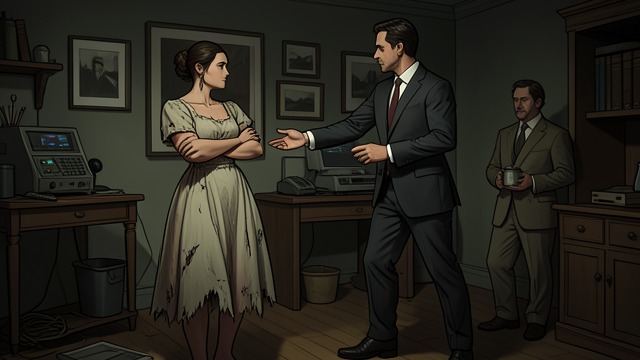
As the musicians prepare to record, Ma insists that Sylvester Brown be given a microphone and that the session follow her plan. When she discovers there is no Coca-Cola, she refuses to sing without it, despite Irvin’s pleas to proceed.
Sturdyvant enters to complain about delay and expense. Ma tells him to get out of her face, while Irvin tries to contain the confrontation and keep the session moving. His position is divided: he needs Ma to record, but he also wants her to accept the company’s pace and priorities.
Recognition on Ma’s terms
Ma sends Slow Drag and Sylvester Brown to buy three bottles rather than accept the suggestion that the missing drink is trivial. The demand is modest in material terms, but it establishes that her participation is not automatic and cannot simply be taken for granted.
Irvin finally allows the interruption. The episode exposes the limits of his reassurance: he can help make the session happen, but Ma determines whether she will give the company her voice and under what conditions.
A Hard-Won Payment
Advocacy and Leverage
Ma challenges the proposed payment
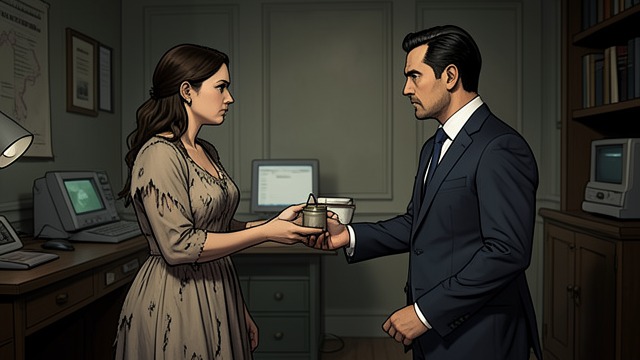
After recording, Irvin tells Ma that Sturdyvant proposes taking twenty-five dollars from her pay to pay Sylvester Brown. Ma refuses to let her nephew’s wages be treated as a deduction from her own money and orders Irvin to negotiate again.
Her protest is both protective and practical. Sylvester Brown has worked in the session, and Ma insists that he be paid as a worker rather than as someone whose compensation can be quietly shifted onto her.
The manager returns with cash
Irvin goes back to Sturdyvant and returns with the money. Ma makes clear that the matter was not a harmless misunderstanding: she believes the company acted differently because her release forms were not yet signed.
The exchange sharpens the emotional distance between Ma and Irvin. He does secure the payment, but only after she forces him to prove that his claims of loyalty have consequences when company interests conflict with hers.
The Release Forms

Trust with Conditions
A practical favor becomes leverage
Sturdyvant brings the money for Ma and Sylvester Brown and describes the dispute as Irvin’s mistake. Ma does not accept that explanation at face value; she points out that the company’s position changed once it became clear she had not signed the release forms.
Irvin urges her to sign and emphasizes that he has straightened everything out. His words appeal to the familiar working relationship between them, but Ma makes the company’s promise insufficient on its own: she wants her car keys and will send for the paperwork in her own time.
A signature, not surrender
Ma eventually asks for the pen and signs the forms, warning that another such mistake could send her records elsewhere. The moment permits the session’s business to conclude without resolving her suspicion of the people managing it.
Irvin remains her point of contact, but the bond is now defined by conditions. Ma will continue working with him only while he can deliver what she is owed and recognize that her consent remains hers to give.
Early in the Chicago recording day
After Ma hears the band rehearsing downstairs
At the start of the recording session
After the final recording of the session
As Ma prepares to leave the studio
